If you drive in Rhode Island, you already know the roads here have a personality of their own. From the sun bouncing hard off Narragansett Bay on a July afternoon to stop-and-go traffic on I-95 through Providence, your car takes a beating — and so do you. One of the simplest upgrades that makes daily driving more comfortable, more private, and better looking? Quality automotive window tinting.
At Baystate Window Tinting, we work with drivers all across New England, and Rhode Island is no exception. Whether you’re commuting into Providence from Warwick, running errands around Cranston, or heading down to the shore in South Kingstown, the right window film makes a real difference in how you feel behind the wheel. This guide breaks down everything you need to know about getting your car tinted in Rhode Island — from the legal limits to the best film types for Ocean State weather.
Why Rhode Island Drivers Are Choosing Window Tint
Rhode Island might be the smallest state in the country, but the sun doesn’t know that. Summer heat in the Providence metro can push cabin temperatures to brutal levels — especially if your car sits in a parking lot at work or at the mall. Window film helps block a significant portion of that solar heat before it ever gets inside.
But heat rejection is just one piece of it. Here’s what RI drivers are most often looking for when they come to us:
Heat and UV Protection Rhode Island gets real summer sun, and quality window film blocks up to 99% of harmful UV rays. That’s not just good for your skin — it protects your dashboard, seats, and door panels from fading and cracking over time. If you’ve ever seen an older car with a dried-out, cracked dash, UV exposure is usually the culprit. Tinting helps prevent that kind of interior wear-down before it starts.
Glare Reduction If you’ve ever driven east on Route 44 in the morning or west on Route 6 in the evening, you know exactly what sun glare feels like — blinding, distracting, and genuinely dangerous. Window tint cuts that glare significantly, reducing eye strain and making driving safer year-round.
Privacy and Security There’s something to be said for being able to park your car without worrying about what’s visible through the windows. Whether it’s a gym bag, work equipment, or just your personal space, tinted windows give you a level of privacy that clear glass simply doesn’t. It also deters smash-and-grab break-ins by making it harder to see inside.
Comfort on Long Drives Rhode Island is small, but plenty of residents commute into Boston or regularly head down to the Cape or Connecticut. A tinted car just rides better — less heat, less glare, a more relaxed environment overall.
Rhode Island Window Tint Laws: What’s Legal?
Before you get your car tinted, it’s worth knowing Rhode Island’s legal limits. State law regulates how dark your tint can be, measured by Visible Light Transmission (VLT) — the percentage of light that passes through the film. The lower the VLT percentage, the darker the tint.
Here’s a general breakdown for passenger vehicles in Rhode Island:
- Windshield: Non-reflective tint is allowed on the top 6 inches (the AS-1 line). No tint below that strip.
- Front side windows: Must allow more than 70% of light in.
- Rear side windows: Can be any darkness.
- Rear window: Can be any darkness, provided the vehicle has dual side mirrors.
It’s worth noting that Rhode Island also has restrictions on how reflective your tint can be — you can’t use a mirrored or excessively metallic-looking film on the front side windows.
These rules are worth taking seriously. Getting pulled over for illegal tint is a hassle, and in some cases can affect your vehicle’s ability to pass inspection. When you work with a professional installer, they’ll make sure your vehicle stays within legal limits while still achieving the look and performance you’re after. That’s part of what separates a proper installation from a quick DIY job.
Carbon vs. Ceramic: Which Film Is Right for Your Car?
This is one of the most common questions we hear, and the honest answer is: it depends on your priorities and your budget. Both are solid options — but they perform differently.
Carbon Window Tint
Carbon tint is a step up from basic dyed film and a popular choice for drivers who want real performance without going premium. It doesn’t use any metal, so it won’t interfere with GPS, Bluetooth, or your EZ-Pass — which matters if you’re crossing the Pell Bridge regularly or using toll roads.
Carbon film blocks a meaningful amount of infrared heat, reduces glare, and holds its color well over time. It has a clean matte appearance that looks great on most vehicles. For Rhode Island drivers who want a genuine upgrade from stock glass at a fair price, carbon tint hits a strong middle ground.
Ceramic Window Tint
Ceramic is the top-of-the-line option, and if you’ve ever sat in a car that had it installed, you’ll understand why. It uses ceramic particles — no metal, no dye — to reject heat at a level that’s noticeably better than other film types. Even at a lighter shade, ceramic tint can dramatically reduce cabin temperature.
It also offers exceptional optical clarity. You won’t notice any color shift or distortion when looking through ceramic film, which is part of why a lot of drivers choose it for the front windows in particular. It’s more scratch-resistant and fade-resistant than other films, and it holds up well through New England winters and salt air — a real consideration if you’re near the coast.
If you drive a lot in the summer, spend time on the water, or just want the best possible performance from your investment, ceramic is worth the upgrade.
What to Expect During the Installation Process
Getting your car tinted is a straightforward experience when you’re working with a professional shop. Here’s generally how it goes:
1. Film Selection Your installer will walk you through the options available for your vehicle — shade levels, film types, and any specific goals you have. If you’re not sure what VLT percentage looks right, they can show you samples and reference other vehicles.
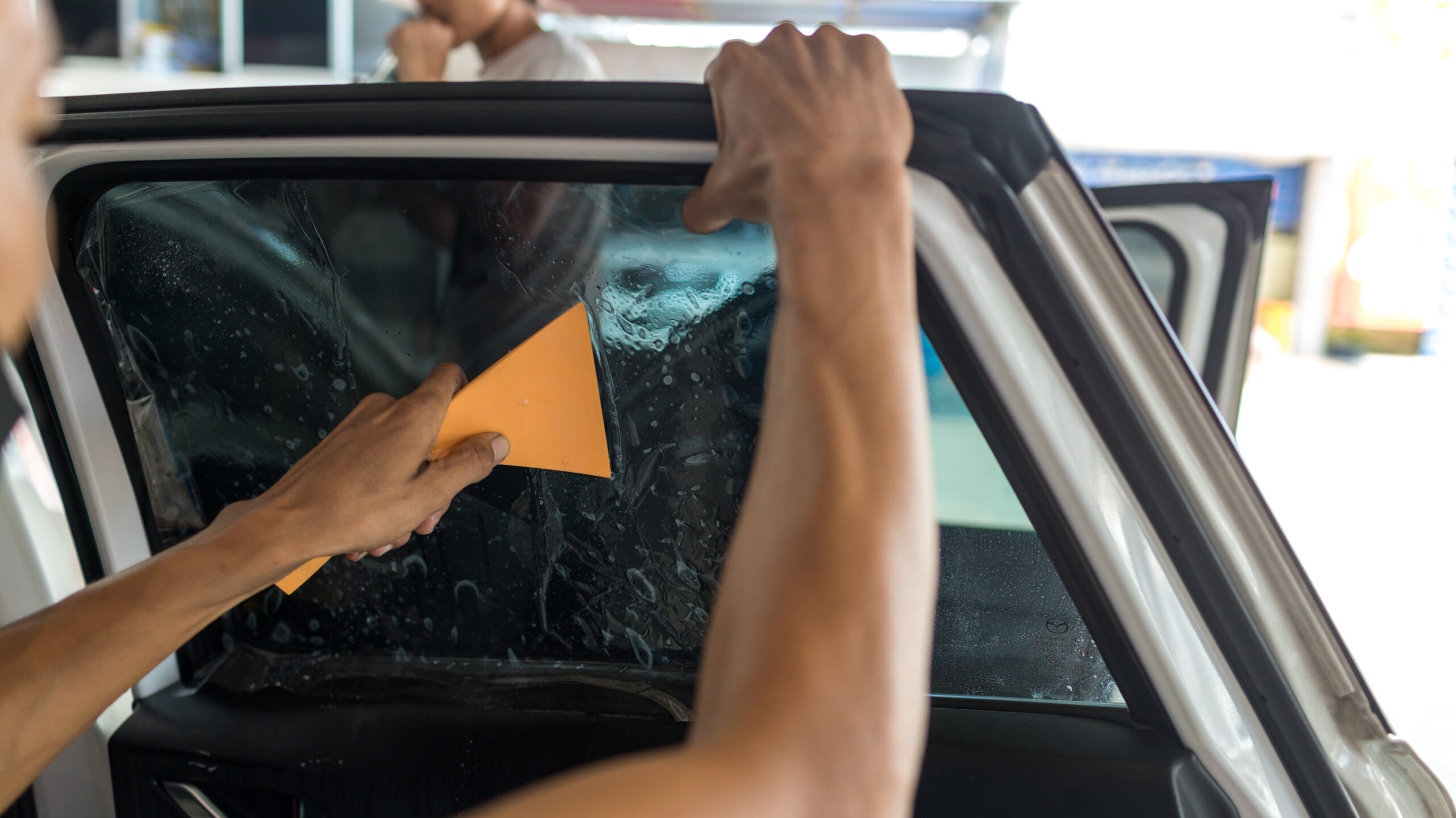
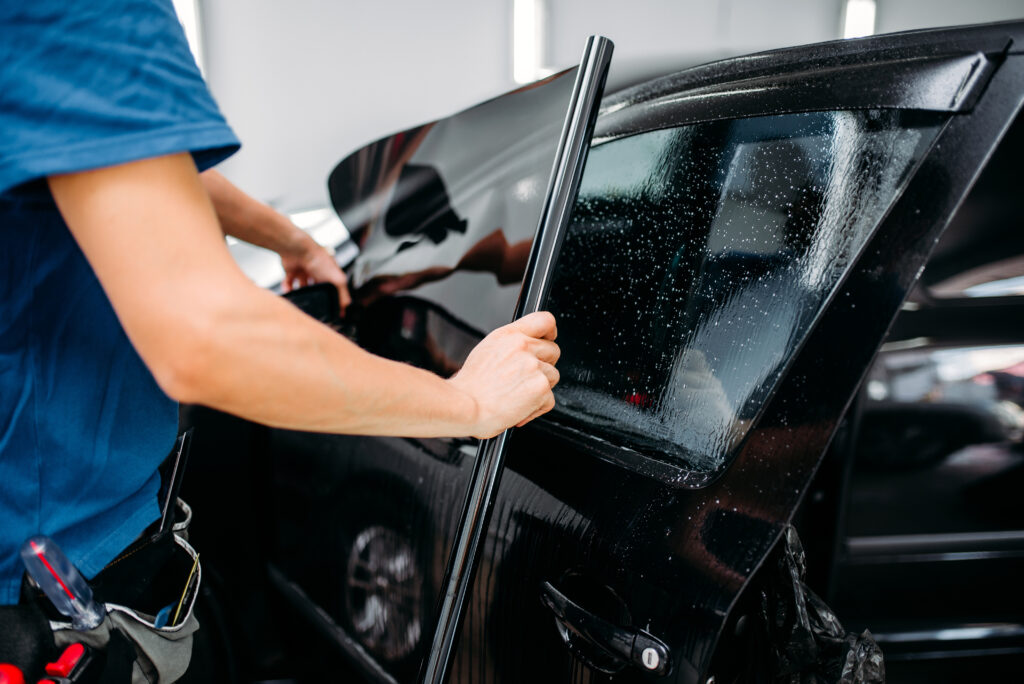
2. The Installation The glass is cleaned thoroughly before any film is applied — any dirt or debris left behind can cause bubbling or imperfections. The film is then precision-cut to fit each window and applied carefully to avoid creasing or trapped air. A quality installation is smooth, clean, and bubble-free from day one.
3. Curing Time After installation, the film goes through a curing process as it fully adheres to the glass. In cooler New England weather, this can take a bit longer than in a warm, dry climate — typically a few days to a week or so. During that time, you might notice slight haziness or small moisture pockets. That’s completely normal and clears up on its own as the film sets.
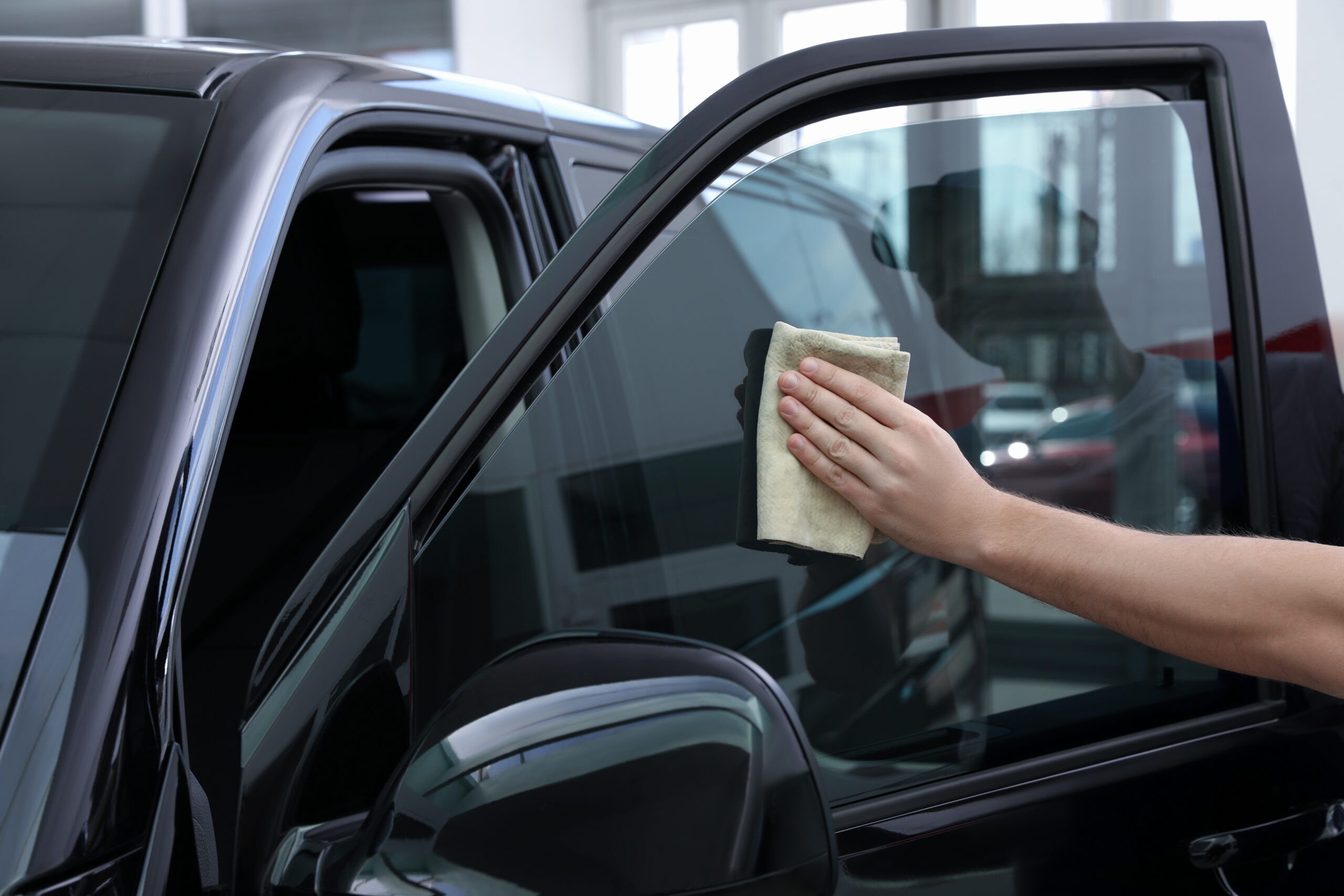
4. Care After Installation For the first few days, avoid rolling down your windows. Once cured, cleaning is simple — use a microfiber cloth and an ammonia-free cleaner to keep your tint looking sharp. Skip the paper towels and anything abrasive.
Most automotive installs are completed in the same day, often within a few hours depending on the vehicle.
Mobile Tinting vs. In-Shop: What Works for Rhode Islanders
One thing that makes professional tinting more accessible these days is the option for mobile service. Rather than dropping your car off at a shop, a technician comes to your home, office, or wherever is convenient.
This is a popular choice for busy Rhode Island residents — whether you’re working in Providence’s Jewelry District, spending the day at home in Barrington, or at the beach in Newport. Mobile service saves you the trip and fits around your schedule.
That said, in-shop installations have their advantages too — particularly in winter or on rainy days, where a controlled environment leads to better results. If you’re getting your install done during a cold stretch, an indoor bay is the smarter call.
Frequently Asked Questions from Rhode Island Drivers
Will tint affect my EZ-Pass? With high-quality carbon or ceramic film — both of which are non-metallic — you won’t have any issues with EZ-Pass, GPS, or Bluetooth. This is one reason to avoid cheap dyed-metal films.
Does tint help in winter too? Yes. In winter, quality window film can help reduce heat loss through the glass, giving you a slightly warmer cabin. It also cuts glare from low-angle winter sun, which in Rhode Island can be just as blinding as summer sun.
How long does tint last? A professional install with quality film should last many years — often the lifetime of the vehicle. Cheaper films tend to fade, bubble, or peel well before that.
Can I tint just some windows? Absolutely. Some drivers prefer to tint only the rear windows for privacy, or focus on the front windows to reduce glare on their commute. A good installer will work with whatever combination makes sense for you.
Ready to Upgrade Your Ride?
Rhode Island drivers deal with everything New England throws at them — brutal summer sun, coastal humidity, harsh winters, and plenty of time on the road. A professional window tint isn’t a luxury; it’s one of the most practical upgrades you can make to your daily driver.
At Baystate Window Tinting, we serve drivers throughout Massachusetts and the greater New England area with professional installs, quality film options, and honest recommendations. Whether you’re interested in carbon tint for everyday performance or ceramic tint for maximum heat rejection, we’ll help you find the right fit for your car and your budget.
Give us a call at 617-405-3423 or reach out at baystatewindowtinting@gmail.com to get a free quote. We offer both mobile and in-shop service, and most vehicles can be scheduled the same week.
Your car spends a lot of time in the sun. It’s time to give it some protection.