
The short version
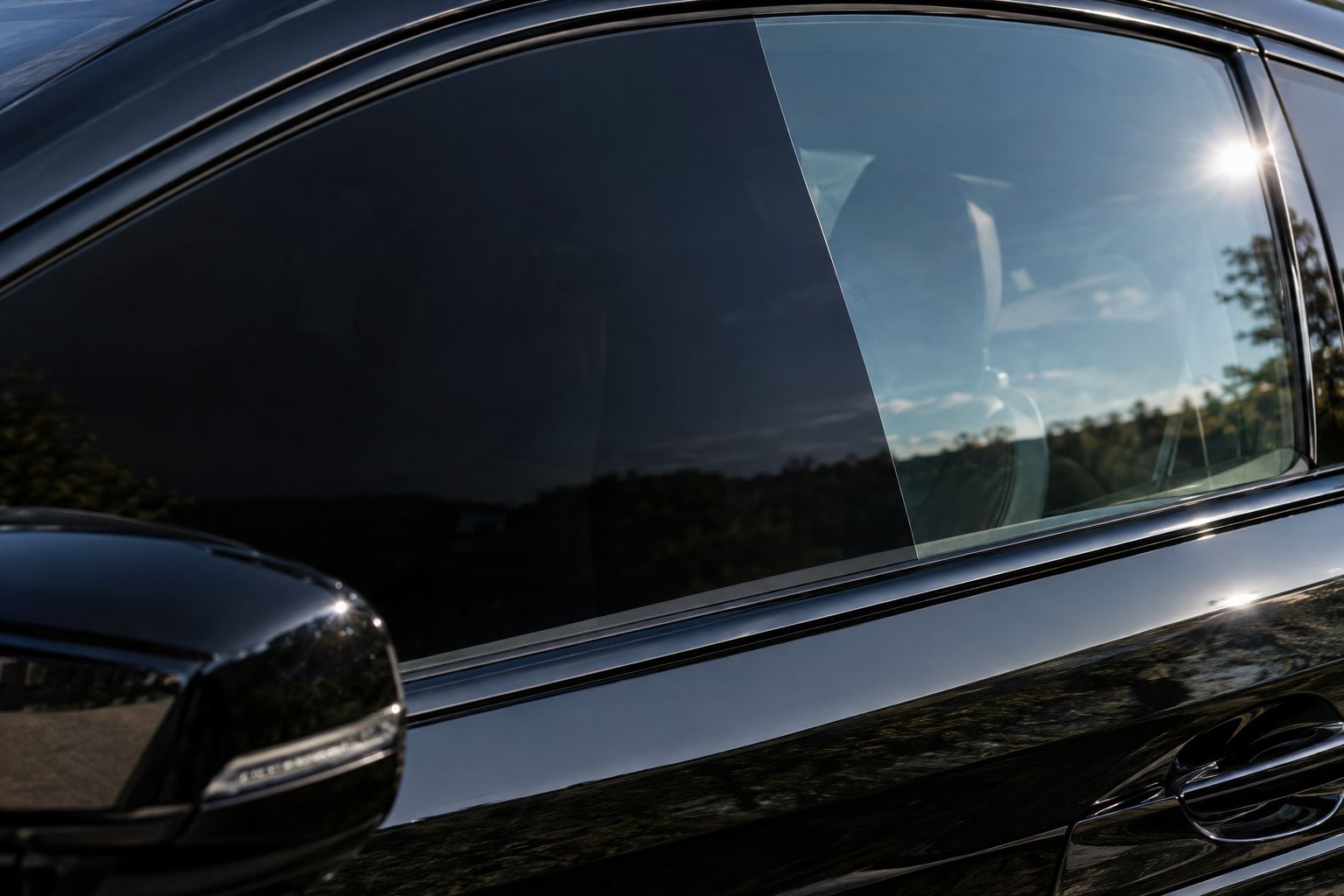
Massachusetts sets one rule for nearly all glass: at least 35% visible light transmission (VLT) on the front side windows, the rear side windows and the rear window. The windshield may only have a non-reflective strip on the top 6 inches, above the AS-1 line. Reflectance is capped at 35%.
Massachusetts measures film and glass together and caps reflectance at 35% (M.G.L. c.90 §9D). Medical waivers are issued by the RMV. Summary based on published statute summaries; we'll walk you through your exact options at your quote.
VLT is measured with the glass
Massachusetts measures the total light coming through the film and the glass together. Most factory glass already blocks a little light, so a film labeled 35% can read slightly darker once installed. That is why we check your glass and recommend a film that keeps the combined reading legal.
No SUV or van exception for aftermarket film
Unlike some states, Massachusetts does not allow darker aftermarket film on the rear of SUVs and vans. Factory privacy glass that meets federal standards is generally exempt, which is why many SUV owners tint just the front doors to match.
Mirrors, inspection and penalties
A tinted rear window means the vehicle needs two outside mirrors. Tint is checked at the annual Massachusetts safety inspection, and too-dark film can fail the vehicle. A violation can bring a fine of up to $250, and a third or later conviction can lead to a license suspension of up to 90 days.
Medical waivers
If a physician certifies that you are photosensitive, the RMV can issue a Tinted Glass Medical Waiver. Bring your waiver and we will install film to it.
How to stay legal and still stay cool
Darker is not the only way to beat the heat. Ceramic film blocks infrared heat, so a 35% ceramic install can feel cooler than a darker basic film.
This guide is general information, not legal advice. Sources: PlainStatute summary of M.G.L. c.90 §9D and LegalClarity on Massachusetts tint penalties and exemptions.